Saturday, 30 August 2014

Ahlus-Sunnah are the most knowledgeable of the people regarding the truth


Ahlus-Sunnah are the most knowledgeable

 of the people regarding the truth 

Shaykhul-Islaam Ibn Taymiyyah, may Allaah have mercy upon him, said:

"Ahlus-Sunnah are the most knowledgeable of the people regarding the truth and the most merciful of them to the creation."


Source: A Collection of Treatises for Ahlus-Sunnah on How to Deal With the People of Innovation. By Shaykh Ubayd Al-Jabiree, page 47


(in spanish, click here)

Wednesday, 27 August 2014

Is it permissible to go to beaches where there is nakedness and free mixing?


Is it permissible to go to beaches where there is nakedness and free mixing?


In Egypt, people go to Alexandria to spend the summer there. On the beaches there are thousands of women who are virtually naked, and men mix freely with women. I am a man with a beard; is it permissible for me to go there and sit by the sea, or not?

If the situation is as described, it is not permissible for a Muslim to go to these places, for fear of fitnah (temptation) and so as to avoid the places where it is to be found – unless he is one of those who are able to remove the evil things that are there, because they have the authority and the knowledge of sharee’ah, and are able to enjoin what is good and forbid what is evil.

From Fataawaa al-Lajnah al-Daa’imah, 12/362

هل يجوز الذهاب إلى الشواطئ التي فيها عري واختلاط ?? 

س 1: يذهب الناس في مصر إلى مدينة الإسكندرية لقضاء الصيف هناك, ويوجد على البحر هناك الآلاف من النساء الكاسيات العاريات, واختلاط الرجال بالنساء, وإني رجل ملتح فهل يجوز لي الذهاب هناك والجلوس على 
البحر أم لا يجوز? 

ج 1: إذا كان الواقع كما ذكر فلا يجوز للمسلم أن يذهب إلى تلك المجتمعات; خشية الفتنة واجتنابا لمواطنها, إلا أن يكون ممن يقوى على إزالة ما فيها من المنكرات; لما له من سلطة ومعرفة بالشرع وقوة على البيان في الأمر بالمعروف والنهي عن المنكر.

وبالله التوفيق وصلى الله على نبينا محمد وآله وصحبه وسلم. 

اللجنة الدائمة للبحوث العلمية والإفتاء 

عضو ... نائب رئيس اللجنة ... الرئيس 
عبد الله بن غديان ... عبد الرزاق عفيفي ... عبد العزيز بن عبد الله بن باز


من فتاوى اللجنة الدائمة 12 / 362 .

HADEETH ABOUT BATH NAKED


HADEETH ABOUT BATH NAKED


Al-Bukhaari narrated in al-Saheeh that Abu Hurayrah  رَضِيَ اللَّهُ عَنْهُ said: “The Messenger of Allaah  صَلَّى اللَّهُ عَلَيْهِ وَسَلَّمَ said that Moosa (peace be upon him) was a very shy and modest man, and none of his skin was ever seen because he was so modest. So some of the Children of Israel annoyed him by saying, ‘He is only being so modest because he has some fault in his skin, such as leprosy, scrotal hernia, etc.’ Allaah wanted to demonstrate that he was free of what they were saying about him. One day Moosa went away by himself, put his garment on a rock and washed himself. When he had finished, he went to pick up his garment, and the rock ran away with it. Moosa picked up his stick and ran after the rock, saying, ‘My garment, O rock! My garment, O rock!’ Then he reached a group of the Children of Israel, who saw him naked and that he was the best that Allaah had created and the most free of the faults that they had spoken of. Then the rock stopped, so Moosa took his garment and struck the rock with his stick. By Allaah, there were marks left on the rock by his stick, three or four or five. This is what Allaah said (interpretation of the meaning): ‘O you who believe! Be not like those who annoyed Moosa (Moses), but Allaah cleared him of that which they alleged, and he was honourable before Allaah’ [al-Ahzaab 33:69].”

(Saheeh al-Bukhaari, 3404)


روى البخاري في الصحيح عَنْ أَبِي هُرَيْرَةَ رَضِيَ اللَّهُ عَنْهُ قَالَ قَالَ رَسُولُ اللَّهِ صَلَّى اللَّهُ عَلَيْهِ وَسَلَّمَ إِنَّ مُوسَى كَانَ رَجُلا حَيِيًّا سِتِّيرًا لا يُرَى مِنْ جِلْدِهِ شَيْءٌ اسْتِحْيَاءً مِنْهُ فَآذَاهُ مَنْ آذَاهُ مِنْ بَنِي إِسْرَائِيلَ فَقَالُوا مَا يَسْتَتِرُ هَذَا التَّسَتُّرَ إِلا مِنْ عَيْبٍ بِجِلْدِهِ إِمَّا بَرَصٌ وَإِمَّا أُدْرَةٌ وَإِمَّا آفَةٌ وَإِنَّ اللَّهَ أَرَادَ أَنْ يُبَرِّئَهُ مِمَّا قَالُوا لِمُوسَى فَخَلا يَوْمًا وَحْدَهُ فَوَضَعَ ثِيَابَهُ عَلَى الْحَجَرِ ثُمَّ اغْتَسَلَ فَلَمَّا فَرَغَ أَقْبَلَ إِلَى ثِيَابِهِ لِيَأْخُذَهَا وَإِنَّ الْحَجَرَ عَدَا بِثَوْبِهِ فَأَخَذَ مُوسَى عَصَاهُ وَطَلَبَ الْحَجَرَ فَجَعَلَ يَقُولُ ثَوْبِي حَجَرُ ثَوْبِي حَجَرُ حَتَّى انْتَهَى إِلَى مَلإ مِنْ بَنِي إِسْرَائِيلَ فَرَأَوْهُ عُرْيَانًا أَحْسَنَ مَا خَلَقَ اللَّهُ وَأَبْرَأَهُ مِمَّا يَقُولُونَ وَقَامَ الْحَجَرُ فَأَخَذَ ثَوْبَهُ فَلَبِسَهُ وَطَفِقَ بِالْحَجَرِ ضَرْبًا بِعَصَاهُ فَوَاللَّهِ إِنَّ بِالْحَجَرِ لَنَدَبًا مِنْ أَثَرِ ضَرْبِهِ ثَلاثًا أَوْ أَرْبَعًا أَوْ خَمْسًا فَذَلِكَ قَوْلُهُ يَا أَيُّهَا الَّذِينَ آمَنُوا لا تَكُونُوا كَالَّذِينَ آذَوْا مُوسَى فَبَرَّأَهُ اللَّهُ مِمَّا قَالُوا وَكَانَ عِنْدَ اللَّهِ وَجِيهًا صحيح البخاري 

Monday, 25 August 2014

EXTRAVAGANCE IN PROPERTY!


EXTRAVAGANCE IN PROPERTY!

Imaam Bukhaari -rahimahullah-

Chapter 207: Extravagance in Property

442.   Abu Hurayra said: "The Messenger of Allah (صلي الله عليه وسلم) said, 'Allah is pleased with you about three things and He is angry with you about three things. He is pleased that you worship Him, not associating anything with Him, that you all take hold of the rope of Allah and that you are sincere to those that Allah has put in authority over you. He dislikes you engaging in idle talk, asking too many questions and squandering wealth.' "

443.   (ATH 103) Ibn 'Abbaas commented about the words of Allah, the Mighty and Exalted: "Whatever you spend, He will replace and He  is the best of Providers' (34: 39), '(whatever you spend) without extravagance or stinginess.' "


Source: Al-Adab Al-Mufrad. A Code For Everyday Livings: THE EXAMPLE OF THE EARLY MUSLIMS. Imaam Bukhaari rahimahullah. {Book: Chapter 207: Page: 84}.


[To read this article translated to spanish, click here]


Saturday, 23 August 2014

Allaah's CURSE IS UPON...!


Allaah's CURSE IS UPON...!

Muslim reports that Ali bin Abi Talib رضي الله عنه said:

"Allah's Messenger صلي الله عليه وسلم informed me about four Judgments (of Allaah): (1) Allaah's curse is upon the one who slaughters (devoting his sacrifice) to anything other than Allah; (2) Allaah's curse is upon the one who curses his own parents; (3) Allaah's curse is upon the one who shelters an heretic (who has brought a Bid'ah in religion); (4) Allaah's curse is upon the one who alters the landmarks (who changes boundary lines)."


{Kitab At-Tauhid, Chapter: 10. Page: 52-54} 

[This article has been translated to spanish language, please click here]

Thursday, 21 August 2014

The foundation of Ahlus Sunnah’s Madhab


The foundation of Ahlus Sunnah’s Madhab


An-Nasr Abaadiy (rahimahullaah) said:

”The foundation of this Madhab (i.e. the Madhab of Ahlus Sunnah) is adherence to the Book and the Sunnah; abandonment of desires and innovations; to take the Salaf as an example and abandon what the late comers have invented (in the religion), and to be established upon what those who came earlier (i.e. the Salaf) followed.”


[This text has been translated to spanish, click here to check it out]

[Madaarij As-Saalikeen of Imaam Ibnul Qayyim (rahimahullaah) 3/149]


Source: http://salaficentre.com

Sunday, 17 August 2014

She has the right to end the marriage


She has the right to end the marriage


Ibn Qayyim  رحمه الله said:

أن الرجل إذا اشترط لزوجه أن لا يتزوج عليها لزمه الوفاء بالشرط، ومتى تزوج عليها فلها الفسخ

“If it was made a condition (during the ‘aqd) that the man not marry another, then he must abide by that. Once he does marry someone else, she has the right to end the marriage.”


"Fiqh As-Sunnah"2/10

Physical Descriptions of the Companions


Physical Descriptions of the Companions

 رضي الله عنهما


Compiled from the First Four Volumes of Adh-Dhahabi’s ‘Siyar A’lam an-Nubala”

1 – Abu Bakr:

“He was white-skinned, skinny, with thin cheeks. He had a wrinkly face, deepset eyes, a protruding forehead, and he would dye his beard with henna and oil it.”

“He was white or yellow-skinned, handsome, with thin legs. His izar would not stay firmly tied around his waist.”

2 – ‘Umar bin al-Khattab:

“He was white-skinned, leaning towards redness. He was tall, balding, and had white hair around his head.”

“He was very tall, and extemely bald. He had reddened skin, thin cheeks, and the edges of his mustache were long and dark red.”

“He would walk so fast that it was as if he was riding a horse while those around him were walking.”

“He used to dye his hair with henna.”

3 – ‘Uthman bin ‘Affan:

“He was not tall or short. He had a handsome face, a long beard, dark skin, wide shoulders, and he would dye his hair with saffron. He would cap teeth with gold.”

‘Abdullah bin Hazm said: “I saw ‘Uthman, and I never saw a man or woman more beautiful than him.”

As-Sa’ib said: “I saw him dying his beard yellow, and I never saw an old man more handsome than him.”

4 – ‘Ali bin Abi Talib:

“He was balding, but had much hair left, as if he was wearing a sheepskin. He was of medium height, with a large belly and a large beard.”

“He had a yellow beard.”

“He dyed his beard with henna once, then he never used it again.”

“His hair and beard were white, like cotton.”

Ash-Sha’bi said: “I saw ‘Ali with a white beard, and I never saw anyone with a larger beard then he.”

“He had heavyset, large eyes, and he was closer to being short.”

5 – Abu ‘Ubaydah bin al-Jarrah:

“He was a skinny man, with a wrinkly face and a light beard. He was tall.”

6 – Mu’adh bin Jabal:

“He was tall, with large eyes, white-skinned, with wrinkled skin.”

7 – ‘Abdullah bin Mas’ud:

“He was thin, short, and did not dye his hair.”

“He was handsome and wise.”

8 – ‘A’ishah:

“She was white-skinned and beautiful.”

9 – Abu Hurayrah:

“He was fair-skinned, had wide shoulders, wide teeth, and he had braids in his hair.”

“He was white-skinned, thin, and had a red beard.”

10 – Mu’awiyah:

“He was tall, white-skinned, and handsome. When he laughed, his upper lip would move, and he would dye his hair.”

“He would dye his hair with saffron, and his beard was golden.”

11 – ‘Abdullah bin ‘Umar:

“He would dye his beard yellow.”

“He would dye his beard yellow until his clothing became wet with the dye. It was said to him: “You dye with yellow?” He replied: “I saw the Messenger of Allah doing so!””

12 – Al-Husayn:

“His hair and beard were extremely black.”

13 – ‘Abdullah bin ‘Abbas:

“He was white-skinned, leaning towards yellow, tall, handsome, bright-faced, and he would dye his hair with henna.”

‘Ata’ said: “I never see the full Moon of the 14th night of the month except that I remember the face of Ibn ‘Abbas.”

14 – Anas bin Malik:


“He would wear a black turban that he would leave trailing behind him.”

Our Salaf:Having Good Suspicion


Our Salaf: Having Good Suspicion

Abu Qilaabah (rahimahullaah) said :

”If something you dislike reaches you concerning your brother, then try your best in seeking an excuse for him, and if you don’t find one, then say to yourself ”my brother might have an excuse that I ignore.” [Abu Na’eem fil Hilyah 2/285]


[This text has been translated to spanish, click here to check it out]

Translated by: Abu Zainab (Muhammad Al-Hindee)
Source: http://salaficentre.com/2012/06/our-salafhaving-good-suspicion/

Friday, 15 August 2014

There will be no stability in the home...


There will be no stability in the home...


Ash-Sheij Saalih al'Fawzaan حفظه الله تعالى :

"The home (is a place) in which the husband lives in tranquillity, safety and stability, and it is that which will reap fruits for his Ummah. The home (is a place) in which the children are raised correctly which will result in the rectification of the future generations. And the two spouses are the foundation of the family. If the relationship between the two of them is bad, then there will be no stability in the home."


A woman's guide to raising a family, pg 40.

Thursday, 14 August 2014

The best Jilbaab: Our buyoot


The best Jilbaab: Our buyoot


It is narrated that the wife of Ibn Mas’ood (radhi Allahu anhum) requested from him a Jilbaab (an outer garment) and he said: “I fear that you will leave the Jilbaab of Allah which He has covered you with.”

She said: "What is that?”

He said: “Your house.”

_________


Source: A Women´s Guided to Raising a family, by Shaykh Saalih al’Fawzaan حفظه الله تعالى pg.9.

Wednesday, 13 August 2014

THE ONE WHO DISLIKES BAD EXAMPLES!


THE ONE WHO DISLIKES

 BAD EXAMPLES!

Imaam Bukhaari rahimahullah

Chapter 196: The One Who Dislikes Bad Examples


417.  Ibn 'Abbaas said: "The Prophet (صلي الله عليه وسلم) said, 'We do not set a bad example. The one who takes back his gift is like the dog who returns to his own vomit.' "


Source: Al-Adab Al-Mufrad. A Code For Everyday Livings: THE EXAMPLE OF THE EARLY MUSLIMS. Imaam Bukhaari rahimahullah. {Book: Chapter 196: Page: 80}.
[This text has been translated to spanish, click here to check it out]


Monday, 11 August 2014

Detailed Refutation Of ISIS And Its False Khilāfah


All praises belong to Allāh alone, may the peace and blessings of Allāh be upon the one who has no Prophet after him, our Prophet Muhammad صلى الله عليه وسلم, upon his family and companions. Thereafter;

Several years ago, a sect emerged in ‘Irāq calling itself the ‘Islamic State in ‘Irāq and Syria’, it became commonly known by four letters, these are the first letters of this so-called State, so it is said to it: ISIS.
This sect was subsequently led by – as mentioned by some observers of its occurrence and events – a number of people, it is referred to one of them as Abū so-and-so, or Abū so-and-so son of so-and-and so, a nickname with an attribution to a country or a tribe, usually given to the unknowns that take cover under nicknames and lineages.

After the passing of a period of war that took place in Syria between the regime and those that fought against it, there entered a group of people from this group, who were not fighting the regime, rather they were fighting and destroying Ahlus-Sunnah, those who themselves are opposed to the regime.
It also became known that their killing of those they intend to kill is done with knives, which is regarded to be the most gruesome and the cruelest way of killing humans.

Towards the beginning of the present month of Ramadān, they changed the name of their group to “The Islamic State” and a sermon was delivered by their (so-called) “Caliph” Abū Bakr al-Baghdādī in a mosque located in Mosul.

From what he said in his sermon is: “Indeed I have been appointed your leader, although I am not better than anyone from among you”.

He spoke the truth in that he is not the best of them, since killing those that they kill with knives, if it was done by his command or with his knowledge and approval, then he is from the worst of them.
This is because of the statement of the Prophet صلى الله عليه وسلم:

"Whoever calls to guidance will have the reward similar to all those who follow him without their reward diminishing. Whoever calls to misguidance, he will have sins similar to all those that follow him without their sins decreasing." • [مسلم]

This sentence that he said in his sermon was said by the first Caliph of Islām after the Messenger صلى الله عليه وسلم, Abū Bakr as-Siddīq رضي الله عنه, and he is the best of this nation, which is the best of all nations. He said it with humility, whilst knowing and the Companions also knowing that he is the best among them because of the evidences showing this from the speech of the Messenger صلى الله عليه وسلم.
It is for the betterment of this group that they look at themselves and return to their senses before its state becomes blown away by the wind, just like its counterparts that preceded it throughout different eras.

Regrettably, this so-called caliphate which was born only a few days ago was met with acceptance by a few youth in the land of the Two Holy Mosques, they expressed their joy and pleasure for it like a thirsty person expresses his happiness when he sees a mirage (deception), and among them are those who have pledged allegiance to this unknown caliph!

How can good be hoped from those that have been afflicted with charging others with disbelief and killing them in the most heinous and outrageous ways?!

It is an obligation upon those youth to deem themselves far above from drifting behind the cawing of every caw. They should relate their actions back to what has been revealed by Allāh سبحانه وتعالى and His Messenger صلى الله عليه وسلم, because in it is immunity, safety and salvation in this world and the Hereafter. They should refer back to the scholars who are sincere in their advice to them and to the Muslims.

From the examples of those who contemplated misguidance but instead remained safe due to referring (their affair) back to the people of knowledge is what has been narrated by Muslim in his Sahīh on the authority of Yazīd al-Faqīr (who) said:

"I was infatuated with the views of the Khawārij. We set out with a large group, intending to perform Hajj, and then to go and promote the views of the Khawārij to the people. We passed through al-Madīnah, and there we saw Jābir b. ‘Abdullāh narrating to the people from the Messenger of Allāh صلى الله عليه وسلم. He was sitting by a pillar, and he mentioned the Jahannamiyyūn.

I said to him:

O companion of the Messenger of Allāh صلى الله عليه وسلم, what is it that you are narrating? Allāh has stated, Verily, whom You admit to the fire, indeed, you have disgraced him.' • [al-Qur`ān 3:192]
'Every time they wish to get away there from, they will be put back thereto.' • [al-Qur`ān 32:20]
What is this that you are saying?

He said:

'Do you read the Qur`ān?'

I said:

'Yes.'

He said:

'Have you heard of the station of Muhammad صلى الله عليه وسلم to which Allāh will raise him?'

I said:

'Yes.'

He said:

'That is the station of praise and glory belonging to Muhammad صلى الله عليه وسلم by means of which Allāh will bring out whomever He wishes to bring out (from the fire).'

Then he described how the Sirāt (the bridge over Hell) will be set, and the people will cross over it.
I said:

'I am afraid I did not memorise that'
He said:

'Some people will be brought forth from the Fire after having been in it. They will come out as if they are branches of sesame. Then they will go into one of the rivers of paradise, where they will emerge (white and clean) like sheets of paper.'

We went back and said:

'Woe to you people! Do you think that this old man would tell lies about the Messenger of Allāh صلى الله عليه وسلم?'

So we returned, and by Allāh none of us went out (to promote the views of the Khawārij) apart from one man.” • [رواه أبو نعيم]

(This Hadīth) explains how this group of people were afflicted with the admiration of the Kharijite view in charging the doer of major sin with disbelief and that he must abide forever in Hell, By meeting Jābir رضي الله عنه and by him explaining to them, they became what he guided them to, and they left the falsehood which they had understood, and they corrected themselves away from wanting to cause a rebellion after Hajj.

This is from the greatest benefits that a Muslim can benefit from by going back to the people of knowledge.

(From that which) shows the serious nature of extremism in the religion, deviating from the true path and leaving the way of the Ahlus-Sunnah wal-Jamā’ah is the statement of (the Prophet) from the Hadīth of Hudhayfah رضي الله عنه:

"What I fear most for you, is a man who reads the Qur`ān, until such a time when the blessings of the Qur`ān are reflected upon him and he takes Islām as his cloak. He then turns around and takes it off and throws it behind his back, then he heads quickly towards his neighbour with his sword unsheathed and he calls him a Mushrik (Idol-Worshipper).

I said:

'Oh Prophet of Allāh! Who is more worthy of being called a Mushrik? The one being attacked or the attacker?'

He replied

'It is indeed the attacker.'” • [البخاري، صححه الألباني]

Young age is when misunderstandings often take place, this is indicated by that which Bukhārī narrated in his Sahīh with his chain of narration to Hishām-b. ‘Urwah who narrated from his father, that he said:
I said to ‘Ā`ishah the wife of the Prophet صلى الله عليه وسلم, whilst I was a young boy: How do you interpret the statement of Allāh:

'Verily, Safā and Marwah (i.e. two mountains at Makkah) are among the symbols of Allāh. So whoever makes Hajj to the House or performs ‘Umrah – there is no blame upon him for walking between them.' • [al-Qur`ān 2:158]

So it is not wrong for those who perform the Hajj to the House of Allāh or perform the ‘Umrah, to make Tawāf between them. In my opinion it is not sinful for one not to make Tawāf between them.’
‘Ā`ishah رضي الله عنها replied:

'Your interpretation is wrong; if it is as you say, then the Āyah should have been: “It is not harmful of those who perform the Hajj or 'Umrah to the house, not to make Tawāf between them.”'
This verse was revealed in connection to the Ansār who (during the Pre-Islamic period) used to visit Manāt (an idol) after assuming their Ihrām, and it was situated near Qudaid (a place at Makkah), and they used to regard it sinful to make Tawāf between as-Safā and al-Marwah after embracing Islām. When Islām came, they asked the Messenger of Allāh about it, whereupon Allāh revealed:

'Verily, Safā and Marwah (i.e. two mountains at Makkah) are among the symbols of Allāh. So it is not harmful of those who perform the Hajj of the House (Allāh) or perform 'Umrah, to ambulate (Tawāf) between them.' • [al-Qur`ān 20:158]

‘Urwa b. Zubair was from the best of the Tābi’īn, and he was one of the seven jurists of Madīnah during the period of the Tābi’īn, he explained that the reason for making mistake in understanding was due to him being of  young age at the time when he asked (the question).

It is clear (from this) that young age is the most likely reason for misunderstanding; and returning to the people of knowledge is better and safe.

Also in Sahīh al-Bukhārī on the authority of Jundub b. ‘Abdullāh, He said:

"The first thing of the human body to putrefy is the abdomen, so he who can eat nothing but pure food should do so. A person should try so much so that nothing intervenes between him and Paradise by not shedding even a handful of blood."

al-Hāfidh (Ibn Hajar al-Asqalānī رحمه الله) said in Al-Fath (13/130): This narration has also come on the authority of the Prophet, by way of Ismā’īl b. Muslim, from al-Hassan, from Jundub, with the wording:

“Do you know that I heard the Messenger of Allāh صلى الله عليه وسلم saying,

"Nothing should intervene between one of you and Paradise while he sees it, even a handful of blood of a Muslim that he shed unlawfully."

I have mentioned some of these Prophetic traditions and narrations in my article: “With which Religion and intellect are suicide bombings and destruction considered Jihād?”

My article contains many Āyāt and Prophetic narrations relating to the prohibition of killing oneself and killing others unlawfully. It has been printed independently in the year 1424 H, and then published again in the year 1428 H along with another article entitled: “An advice and a reminder to the remaining few who have been afflicted with Takfīr and Tafjīr.” It is in my collection of books and articles. [6-225-279].

It is upon these youth who have fallen in line with this group, that they should rectify themselves, and come to their senses. None among them should think of joining (ISIS), lest their life be taken by explosive belts that they make them wear, or be slaughtered with knives, which is a distinctive feature of this group.

It is upon them to keep to the obedience of the state of Sa’udī ‘Arabiah that they have lived in, and their fathers and forefathers have lived in under its governance, in security and safety. It is truly the exemplary country of the world, and the best of (countries) – although it has its shortcomings, which is mainly caused by the affliction (of those that seek to) westernise this land; (those) who follow the West in all that is harmful.

I ask Allāh سبحانه وتعالى to reconcile the affairs of the Muslims everywhere, and to guide their youth – male and female – to all that is good, and to protect the land of the Two Holy Mosques, its government and its people from all evil, and to grant them success for all good, and to protect it from the evil of the evil people, and from the plots of the mischief makers.

Verily He is all hearing and answers the supplications.

May the peace and blessings of Allāh be upon our Prophet, Muhammad and upon his family and companions.


فتنة الخلافة الداعشية العراقية المزعومة
البريد الإلكتروني طباعة
     
28/9/1435هـ.

بسم الله الرحمن الرحيم


الحمد لله وحده وصلى الله وسلم على من لا نبي بعده نبينا محمد وعلى آله وصحبه. أما بعد؛

فقد ولد في العراق قبل عدة سنوات فرقة أطلقت على نفسها دولة الإسلام بالعراق والشام، واشتهر ذكرها بأربعة حروف هي الحروف الأوائل لهذه الدولة المزعومة فيقال لها: ((داعش))، وقد تعاقب على زعامتها ـ كما ذكر ذلك بعض المتابعين لحدوثها وأحداثها ـ عدد يقال للواحد منهم: أبو فلان الفلاني أو أبو فلان ابن فلان، كنية معها نسبة إلى بلد أو قبيلة كما هو شأن المجاهيل المتسترين بالكنى والأنساب، وبعد مضي مدة على الحرب التي وقعت في سوريا بين النظام والمقاتلين له دخل أعداد من هذه الفرقة غير مقاتلين للنظام، لكنهم يقاتلون أهل السنة المناوئين للنظام ويفتكون بهم، وقد اشتهر أن قتلهم لمن يريدون قتله يكون بالسكاكين الذي هو من أبشع وأنكى ما يكون في قتل الآدميين، وفي أوائل شهر رمضان الحالي حوَّلوا تسمية فرقتهم إلى اسم ((الخلافة الإسلامية))، وخطب خليفتهم الذي أُطلق عليه أبو بكر البغدادي في جامع في الموصل، ومما قاله في خطبته: ((فقد وُلِّيت عليكم ولست بخيركم))، وقد صدق في أنه ليس بخيرهم؛ لأن قتل من يقتلونه بالسكاكين إن كان بأمره أو بعلمه وإقراره فهو شرهم؛ لقوله صلى الله عليه وسلم: ((من دعا إلى هدى كان له من الأجر مثل أجور من تبعه، لا ينقص ذلك من أجورهم شيئا، ومن دعا إلى ضلالة كان عليه من الإثم مثل آثام من تبعه، لا ينقص ذلك من آثامهم شيئا)) رواه مسلم (6804)، وهذه الجملة التي قالها في خطبته قد قالها أول خليفة في الإسلام بعد رسول الله صلى الله عليه وسلم أبو بكر الصديق رضي الله عنه وأرضاه وهو خير هذه الأمة التي هي خير الأمم، قالها تواضعا وهو يعلم والصحابة يعلمون أنه خيرهم للأدلة الدالة على ذلك من كلام رسول الله صلى الله عليه وسلم، ومن الخير لهذه الفرقة أن تراجع نفسها وتؤوب إلى رشدها قبل أن تكون دولتها في مهب الرياح كشأن مثيلاتها التي سبقتها في مختلف العصور.

ومما يؤسف له أن فتنة هذه الخلافة المزعومة التي وُلدت قبل أيام لقيت قبولا عند بعض صغار الشباب في بلد الحرمين أظهروا فرحهم وسرورهم بها كما يفرح الظمآن بالسراب، وفيهم من زعم مبايعة هذا الخليفة المجهول! وكيف يُرتجى خير ممن ابتلوا بالتكفير والتقتيل بأشنع القتل وأفظعه؟! والواجب على هؤلاء الشباب أن يربأوا بأنفسهم عن الانسياق وراء نعيق كل ناعق، وأن يكون الرجوع في كل التصرفات إلى ما جاء عن الله عز وجل وعن رسوله صلى الله عليه وسلم؛ لأن في ذلك العصمة والسلامة والنجاة في الدنيا والآخرة، وأن يرجعوا إلى العلماء الناصحين لهم وللمسلمين، ومن أمثلة سلامة من فكَّر في ضلال بسبب رجوعه إلى أهل العلم ما رواه مسلم في صحيحه (191) عن يزيد الفقير قال: ((كنتُ قد شَغَفَنِي رأيٌ من رأي الخوارج، فخرجنا في عِصابةٍ ذوي عدد نريد أن نحجَّ، ثمَّ نخرجَ على الناس، قال: فمررنا على المدينة فإذا جابر بن عبد الله يُحدِّث القومَ ـ جالسٌ إلى ساريةٍ ـ عن رسول الله صلى الله عليه وسلم، قال: فإذا هو قد ذكر الجهنَّميِّين، قال: فقلتُ له: يا صاحبَ رسول الله! ما هذا الذي تُحدِّثون؟ والله يقول: {إِنَّكَ مَن تُدْخِلِ النَّارَ فَقَدْ أَخْزَيْتَهُ}، و {كُلَّمَا أَرَادُوا أَن يَخْرُجُوا مِنْهَا أُعِيدُوا فِيهَا}، فما هذا الذي تقولون؟ قال: فقال: أتقرأُ القرآنَ؟ قلتُ: نعم! قال: فهل سمعت بمقام محمد عليه السلام، يعني الذي يبعثه فيه؟ قلتُ: نعم! قال: فإنَّه مقام محمد صلى الله عليه وسلم المحمود الذي يُخرج اللهُ به مَن يُخرج. قال: ثمَّ نعتَ وضعَ الصِّراط ومرَّ الناس عليه، قال: وأخاف أن لا أكون أحفظ ذاك. قال: غير أنَّه قد زعم أنَّ قوماً يَخرجون من النار بعد أن يكونوا فيها، قال: يعني فيخرجون كأنَّهم عيدان السماسم، قال: فيدخلون نهراً من أنهار الجنَّة فيغتسلون فيه، فيخرجون كأنَّهم القراطيس. فرجعنا، قلنا: وَيْحَكم! أَتَروْنَ الشيخَ يَكذِبُ على رسول الله صلى الله عليه وسلم؟! فرجعنا، فلا ـ والله! ـ ما خرج منَّا غيرُ رَجل واحد، أو كما قال أبو نعيم )). وأبو نعيم هو الفضل بن دكين هو أحد رجال الإسناد، وهو يدلُّ على أنَّ هذه العصابةَ ابتُليت بالإعجاب برأي الخوارج في تكفير مرتكب الكبيرة وتخليده في النار، وأنَّهم بلقائهم جابراً رضي الله عنه وبيانه لهم صاروا إلى ما أرشدهم إليه، وتركوا الباطلَ الذي فهموه، وأنَّهم عدلوا عن الخروج الذي همُّوا به بعد الحجِّ، وهذه من أعظم الفوائد التي يستفيدها المسلم برجوعه إلى أهل العلم.

ويدلُّ لخطورة الغلو في الدِّين والانحراف عن الحقِّ ومجانبة ما كان عليه أهل السنَّة والجماعة قوله صلى الله عليه وسلم من حديث حذيفة رضي الله عنه: ((إنَّ أخوفَ ما أخاف عليكم رجل قرأ القرآن، حتى إذا رُئيت بهجته عليه وكان ردءاً للإسلام، انسلخ منه ونبذه وراء ظهره، وسعى على جاره بالسيف ورماه بالشرك، قلت: يا نبيَّ الله! أيُّهما أولى بالشرك: الرامي أو المرمي؟ قال: بل الرامي)) رواه البخاري في التاريخ وأبو يعلى وابن حبان والبزار، انظر الصحيحة للألباني (3201).
وحداثةُ السنِّ مظنَّة سوء الفهم، يدلُّ لذلك ما رواه البخاري في صحيحه (4495) بإسناده إلى هشام بن عروة، عن أبيه أنَّه قال: (( قلت لعائشة زوج النَّبيِّ صلى الله عليه وسلم وأنا يومئذ حديث السنِّ: أرأيتِ قول الله تبارك وتعالى: {إِنَّ الصَّفَا وَالْمَرْوَةَ مِن شَعَآئِرِ اللَّهِ فَمَنْ حَجَّ الْبَيْتَ أَوِ اعْتَمَرَ فَلاَ جُنَاحَ عَلَيْهِ أَن يَطَّوَّفَ بِهِمَا} ، فما أرى على أحد شيئاً أن لا يطوَّف بهما، فقالت عائشة: كلاَّ! لو كانت كما تقول كانت: فلا جناح عليه أن لا يطوَّف بهما، إنَّما أنزلت هذه الآية في الأنصار، كانوا يُهلُّون لِمناة، وكانت مناة حذو قديد، وكانوا يتحرَّجون أن يطوَّفوا بين الصفا والمروة، فلمَّا جاء الإسلام سألوا رسول الله صلى الله عليه وسلم عن ذلك، فأنزل الله  {إِنَّ الصَّفَا وَالْمَرْوَةَ مِن شَعَآئِرِ اللَّهِ فَمَنْ حَجَّ الْبَيْتَ أَوِ اعْتَمَرَ فَلاَ جُنَاحَ عَلَيْهِ أَن يَطَّوَّفَ بِهِمَا})).

وعروة بن الزبير من خيار التابعين، وهو أحدُ الفقهاء السبعة بالمدينة في عصر التابعين، قد مهَّد لعُذره في خطئه في الفهم بكونه في ذلك الوقت الذي سأل فيه حديثَ السنِّ، وهو واضحٌ في أنَّ حداثةَ السنِّ مظنَّةُ سوء الفهم، وأنَّ الرجوع إلى أهل العلم فيه الخير والسلامة.

وفي صحيح البخاري (7152) عن جندب بن عبد الله قال: ((إنَّ أوَّل ما ينتن من الإنسان بطنُه، فمَن استطاع أن لا يأكل إلاَّ طيِّباً فليفعل، ومَن استطاع أن لا يُحال بينه وبين الجنَّة بملء كفٍّ من دم هراقه فليفعل))، قال الحافظ في الفتح (13/130): ((ووقع مرفوعاً عند الطبراني أيضاً من طريق إسماعيل بن مسلم، عن الحسن، عن جندب، ولفظه: (تعلمون أنِّي سمعت رسول الله صلى الله عليه وسلم يقول:  لا يحولنَّ بين أحدكم وبين الجنَّة وهو يراها ملءُ كفِّ دم من مسلم أهراقه بغير حلِّه)، وهذا لو لم يرِد مصرَّحاً برفعه لكان في حكم المرفوع؛ لأنَّه لا يُقال بالرأي، وهو وعيد شديد لقتل المسلم بغير حقٍّ)).

وهذه الأحاديث والآثار هي بعض ما أوردته في رسالة ((بأي عقل ودين يكون التفجير والتدمير جهادا؟! ويحكم أفيقوا يا شباب))، وفيها آيات عديدة وأحاديث وآثار كثيرة في تحريم قتل الإنسان نفسه وقتله لغيره بغير حق، وقد طبعت هذه الرسالة مفردة في عام 1424هـ، وطبعت سنة 1428هـ مع رسالة أخرى بعنوان: ((بذل النصح والتذكير لبقايا المفتونين بالتكفير والتفجير)) ضمن مجموع كتبي ورسائلي (6/225-279).

وعلى هؤلاء الشباب الذين انساقوا وراء نعيق هذه الفرقة أن يراجعوا أنفسهم ويثوبوا إلى رشدهم وألا يفكر أحد منهم باللحوق بها فيخرجون من الحياة بالأحزمة الناسفة التي يُلبسون إياها أو بذبح بالسكاكين الذي هو ميزة لهذه الفرقة، وعليهم أن يلزموا السمع والطاعة للدولة السعودية التي عاشوا وعاش آباؤهم وأجدادهم في ولايتها بأمن وأمان، فهي بحق أمثل دول العالم وخيرها على ما فيها من قصور من أعظم أسبابه فتنة التغريبيين في هذه البلاد الذين يلهثون وراء تقليد الغرب في كل ما فيه مضرة.


وأسأل الله عز وجل أن يصلح أحوال المسلمين في كل مكان، وأن يهدي شبابهم من البنين والبنات إلى كل خير،وأن يحفظ بلاد الحرمين حكومة وشعبا من كل سوء، وأن يوفقها لكل خير، وأن يقيها شر الأشرار وكيد الفجار، إنه سميع مجيب، وصلى الله وسلم على نبينا محمد وعلى آله وصحبه.


Monday, 4 August 2014

’Uthaimeen: The Layman in His Belief and Sincerity is Better than Many ‘Students of Knowledge.’


’Uthaimeen: The Layman in His Belief and Sincerity is Better than Many ‘Students of Knowledge.’


Questioner: I want to ask you about [the periods of] slackness [a person goes through], its causes and the cure for it, because a person sometimes feels weakness in his [practice of the] religion?

’Uthaimeen: It is not possible for a person to remain on a single uniform routine, even the Companions said, ‘O Messenger of Allaah! When we are with you we take heed and believe, and when we go to our families, our women and children, we forget,’ so he said, ‘A time for this and a time for that.’

It is not possible for a person to remain on a single uniform routine, but he must try to guard his heart’s uprightness, when the heart becomes good the whole body does so too.

He must leave delving into things that do not concern him.
He must leave disputing about things that have no benefit.
He must leave partisanship which has split the Ummah, and he must turn to Allaah, the Mighty and Majestic.

For this reason you will see that the layman is better in his belief ['aqeedah] and sincerity than many of the students of knowledge, [students of knowledge] whose only concern is to criticise and refute, [whose only concern is], ‘It was said and he said [qeel wa qaal],’ and, ‘What do you say, O so and so?’ and, ‘What do you say about so and so?’ and, ‘What do you say about that book and about what so and so wrote?’

This is what causes a servant to become lost and takes Allaah, the Mighty and Majestic, away from his heart, and leaves him without any concern except for, ‘It was said … he said …’

So my advice to every person is that he turns to Allaah, the Mighty and Majestic, and that he leaves the people and their disagreements.

This is the best thing.”
Source: http://giftsofknowledge.net/2014/07/25/uthaimeen-the-layman-in-his-belief-and-sincerity-is-better-than-many-students-of-knowledge/

Saturday, 2 August 2014

Claim of Jihad


Claim of Jihad

Translated by Abbas Abu Yahya

Shaykh Salih al Fawzan said :

‘They claim: those who bomb buildings and kill the innocent and do what they do, they do this due to the Deen (religion of Islaam).
We say: you have lied. They have done this due to the ignorance of the Deen.’

[From: 'Sharh Risalat ad-Dalail fee hukm mawalat ahl ul Ishraak' p. 108]

[This post has been translated into spanish, click here for reading]


Source: http://followingthesunnah.wordpress.com/2014/07/30/claim-of-jihad/

Thursday, 31 July 2014

Supplicating for the People of Falsehood instead of Against Them


Supplicating for the People of Falsehood

 instead of Against Them


Shaikh ’Uthaimeen, may Allaah have mercy on him, said, “We should supplicate that Allaah brings the people of falsehood back to the Truth, so that they can benefit themselves and others—this is justice, in opposition to what some ignorant people do who, when they see someone persisting in falsehood, supplicate against the person doing it.”

Sharh al-Kaafiyah ash-Shaafiyah, vol. 4, p. 146.

[This post has been translated into spanish, click here for reading]


Source: http://giftsofknowledge.net/2014/07/14/supplicating-for-the-people-of-falsehood-instead-of-against-them/

Tuesday, 29 July 2014

Uthaimeen on Oaths


Uthaimeen on Oaths

Shaikh ’Uthaimeen, may Allaah have mercy on him, said, “I wish that a person wouldn’t swear by Allaah frequently. If he needs to take an oath let him couple it with [a mention of] Allaah’s Will, saying, ‘By Allaah, inshaa Allaah …’ for in doing so he attains two great benefits. The first is that Allaah will facilitate for him what he took an oath for, and the second is that if he is not able to fulfil it he doesn’t have to carry out an expiation [kaffaarah].”

Fataawa Nurun-’alad-Darb, vol. 11, p. 465.

[This post has been translated into spanish, click here for reading]

Source: http://giftsofknowledge.net/2014/07/14/uthaimeen-on-oaths/

Sunday, 20 July 2014

Praying Qiyaam in Jama-ah

Praying Qiyaam in Jama-ah

 
Shaykh Ibn ‘Uthaymeen رحمه الله said:
 
“With regard to a group agreeing to meet on a certain night to pray qiyaam al-layl, this is bid’ah, because praying qiyaam in congregation is not prescribed, unless that happens occasionally without prior agreement and unintentionally, as happened with the Prophet (peace and blessings of Allaah be upon him) with ‘Abd-Allaah ibn ‘Abbaas (may Allaah be pleased with him).”
 
Fataawa al-Shaykh Muhammad ibn Saalih al-‘Uthaymeen, Kitaab al-‘Ilm, p. 208.
 
 الشيخ ابن عثيمين رحمه الله :
 
( وأما اتفاق مجموعة على الالتقاء في ليلة معينة لقيام الليل فهذا بدعة ؛ لأن لإقامة الجماعة في قيام الليل غير مشروعة إلا إذا فعلت أحياناً وبغير قصد كما جرى للنبي صلى الله عليه وسلم وعلى آله وسلم مع عبد الله بن عباس رضي الله عنهما ) اهـ
 

فتاوى الشيخ محمد بن صالح العثيمين ، كتاب العلم ،الصفحة (208). 

Monday, 14 July 2014

Fasting of the Sick Person

Fasting of the Sick Person
 
 
Shaykh ‘Abd al-‘Azeez ibn Baaz (may Allaah have mercy on him) said:
 
If specialist doctors determine that this sickness of yours is one for which there is no hope of a cure, then you must feed one poor person for every day of Ramadaan, and you do not have to fast. The measure of that (food to be given) is half a saa’ of the local staple food, whether it is dates, rice or something else. If you invite a poor person for a meal, lunch or dinner, that is sufficient. But if the doctor determines that there is hope for recovery from your sickness, then you do not have to feed a poor person, rather you have  to make up the missed fasts when Allaah grants you healing from that disease, because Allaah says (interpretation of the meaning): 
 
“and whoever is ill or on a journey, the same number [of days which one did not observe Sawm (fasts) must be made up] from other days” 
[al-Baqarah 2:185]
 
I ask Allaah to bless you with healing from all ills and to make what has befallen you a purification and an expiation from sin, and to enable you to be patient and seek reward, for He is the best One to be asked. 
 
Fataawa al-Shaykh Ibn Baaz (15/221).
 
The scholars of the Standing Committee for Issuing Fatwas were asked:
 
I fell sick with kidney disease and I had two operations. The doctors advised me to drink water night and day, no less than two and a half litres every day. They also told me that fasting and refraining from drinking water for three consecutive hours would expose me to danger. Should I follow their advice, or should I put my trust in Allaah and fast, even though they told me that I have the potential to develop kidney stones? Or what should I do? If I do not fast, what is the expiation I have to give?
 
They replied:
 
If the matter is as you described, and these doctors are highly skilled in medicine, then what is prescribed is for you not to fast, so as to protect your health and ward off harm from yourself. Then if you recover and are able to make up the fasts without any hardship, you have to make them up, but if the sickness that has befallen you continues or there is the danger of your developing kidney stones if you do not continually drink water, and the doctors have determined that there is no hope of recovery from that, then you have to feed one poor person for every day that you do not fast.
 
 
Shaykh ‘Abd al-‘Azeez ibn Baaz, Shaykh ‘Abd al-Razzaaq ‘Afeefi, Shaykh ‘Abd-Allaah ibn Ghadyaan, Shaykh ‘Abd-Allaah ibn Munay’.
 
Fataawa al-Lajnah al-Daa’imah (10/179, 180)
 
 
Shaykh Ibn Baaz (may Allaah have mercy on him) was asked about a person who was affected by a chronic disease and the doctors advised him never to fast, but he consulted doctors in another country and was healed by Allaah’s leave. Five Ramadaans have passed and he did not fast. What should he do after Allaah has healed him? Should he make them up or not? 
 
He replied:
 
If the doctors who advised him never to fast were Muslims, trustworthy and familiar with this sickness, and they told him that there was no hope of recovery for him, then he does not have to make it up, and it is sufficient for him to feed poor persons (one for every day missed), but he has to fast in the future.
 
Fataawa al-Shaykh Ibn Baaz (15/355).
 
 
قال الشيخ عبد العزيز بن باز رحمه الله :
"إذا قرَّر الأطباء المختصون أن مرضك هذا من الأمراض التي لا يُرجى برؤها : فالواجب عليك إطعام مسكين عن كل يوم من أيام رمضان ، ولا صوم عليك ، ومقدار ذلك نصف صاع من قوت البلد ، من تمر ، أو أرز ، أو غيرهما ، وإذا غديتَه أو عشيتَه : كفى ذلك ، أما إن قرروا أنه يرجى برؤه : فلا يجب عليك إطعام ، وإنما يجب عليك قضاء الصيام إذا شفاك الله من المرض ، لقول الله سبحانه : ( وَمَنْ كَانَ مَرِيضًا أَوْ عَلَى سَفَرٍ فَعِدَّةٌ مِنْ أَيَّامٍ أُخَرَ ) .
وأسأل الله أن يمنَّ عليك بالشفاء من كل سوء ، وأن يجعل ما أصابك طهوراً وتكفيراً من الذنوب ، وأن يمنحك الصبر الجميل ، والاحتساب ، إنه خير مسئول "  .
 
" فتاوى الشيخ ابن باز " ( 15 / 221 ) .
 
قد سئل علماء اللجنة الدائمة للإفتاء :
مرضتُ بمرض الكلى ، وأُجريت لي عمليتان ، ونصحني الأطباء أن أشرب الماء ليلاً ونهاراً ، وبما لا يقل عن لترين ونصف يوميّاً ، كما أخبروني أن الصيام والكف عن شرب الماء ثلاث ساعات متتالية يعرضني للخطر ، هل أعمل بكلامهم ، أو أتوكل على الله ، وأصوم مع أنهم يؤكدون بأن عندي استعداداً لتخلق الحصى ، أو ماذا أفعل ؟ وإذا لم أصم فما الكفارة التي عليَّ دفعها ؟ .
فأجابوا :
" إذا كان الأمر كما ذكرت ، وكان هؤلاء الأطباء حذَّاقا بالطب : فالمشروع لك أن تفطر ؛ محافظة على صحتك ؛ ودفعاً للضرر عن نفسك ، ثم إن عوفيت وقويت على القضاء دون حرج : وجب القضاء ، وإن استمر بك ما أصابك من المرض ، أو الاستعداد لتخلق الحصى عند عدم تتابع شرب الماء ، وقرر الأطباء أن ذلك لا يُرجى برؤه : وجب عليك أن تُطعم عن كل يوم أفطرته مسكيناً " 
 .
الشيخ عبد العزيز بن باز ، الشيخ عبد الرزاق عفيفي ، الشيخ عبد الله بن غديان ، الشيخ عبد الله بن منيع .
" فتاوى اللجنة الدائمة " ( 10 / 179 ، 180 ) .
 
قد سئل الشيخ بن باز رحمه الله عن شخص أصابه مرض مزمن ونصحه الأطباء بعدم الصوم دائماً ولكنه راجع أطباء في غير بلده وشفي بإذن الله , وقد مر عليه خمس رمضانات وهو لم يصمها , فماذا يفعل بعد أن شفاه الله , هل يقضيها أم لا ؟
فأجاب :
" إذا كان الأطباء الذين نصحوه بعدم الصوم دائما أطباء من المسلمين ، الموثوقين ، العارفين بجنس هذا المرض ، وذكروا له أنه لا يرجى برؤه : فليس عليه قضاء ، ويكفيه الإطعام ، وعليه أن يستقبل الصيام مستقبلاً " .
" فتاوى الشيخ ابن باز " ( 15 / 355 ) .


Sunday, 13 July 2014


Shaykh Ibn Uthaymin رحمه الله
 
We will never win as long as we consider the conflict between us & the Jews to be a nationalistic issue.
 

[Al-Liqa Ash-Shahri, 2]

Expiating an oath by paying the poor and destitute money


Expiating an oath by paying the poor and destitute money


Question: Regarding the expiation of an oath (kaffaaratul-yameen), could you please advise us about the manner in which the obligation of feeding the ten poor and destitute [must take]? Is it [required to feed them] for a whole day, or [just] a single meal for each [poor and destitute] person; And what is the cost [entailed]? And is it permissible to [simply] pay [the poor and destitute] the cost of feeding [them] in money or not?

Response: The expiation of an oath is to feed ten poor and destitute people, with each one receiving half a saa' of wheat, or dates, or rice, or the like from the staple food of the land. And [note] half a saa' amounts to one and a half kilos [in weight]. Or [alternatively], one can clothe ten poor and destitute people - with each receiving a shirt, or [instead] free a believing slave.

If he is unable to carry out any [one] of the aforementioned three [legislated options], then he is required to fast for three days, [bearing in mind] the [cash] payment [to the poor and destitute individuals] for the expiation of an oath will not be rewarded (accepted).

And with Allaah lies all success and may Allaah send prayers and salutations upon our Prophet Muhammad (sal-Allaahu `alayhe wa sallam) and his family and his companions.

The Permanent Committee for Islaamic Research and Verdicts
Fataawa al-Lajnah ad-Daa.imah lil-Buhooth al-'Ilmiyyah wal-Iftaa. - Volume 23, Page 6, Fatwa No.16827

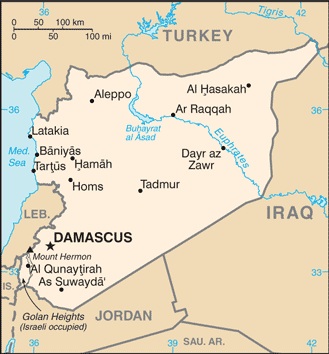
Is there Jihad in Syria? Should one go and fight?

Is there Jihad in Syria? 

Should one go and fight?

By Salafi Shaikh, Abdullaah al-Bukhaaree

image
Shaikh Abdullaah al-Bukhaaree (May Allaah preserve him) said:
The questioner here also asks regarding the fighting in Syria and its ruling.
The answer, may Allaah bless you, is that we say: As it relates to this important affair, the affair of Syria, and that which has afflicted its people from trials, then:
Firstly: That it it obligatory upon each Muslim, the Monotheist (al-Muwahhid) that he supplicates to Allaah for his brothers, the Muslims in every land of the World, and from them, the land of Syria in specific – that he calls upon Allaah, the Most High, whilst in prayer or whilst upon his travels, or during those times when the supplications are more likely to be accepted, that Allaah relieves them of that which has afflicted them from harm, and that He lifts from them that which has afflicted them from tribulations, and that he protects us and them from evils and trials – and that He has mercy upon their old, their young, their womenfolk and their youth. That we ask that Allaah aids the weak and downtrodden in every place. There is no doubt that which has afflicted them is a mighty affair – and that which they face from killing, annihilation, plundering and pillaging, then no doubt it is a mighty and tremendous matter. So we ask Allaah, the Mighty, The Lord of the Mighty Throne, from His Bounty and Kindness, from His Power and Might, that he lifts from them that which has afflicted them from trials and harm – and that He aids the supports the weak and downtrodden from Ahlus-Sunnah in every place, for indeed He is the Most Generous, the Most Kind. So that is the first point.
As for the second affair: When there occurred that which occurred in the land of Syria of revolt by some of the people in the beginning against that oppressive, tyrannical, transgressing ruler, and Allaah’s refuge is sought, and they stood against him and some of them took up arms against him, the people of truth of that land came asking, seeking the truth as to what they are to do. So the true Scholars of Ahlus-Sunnah answered without any flattery and without seeking any benefit for themselves as is sought by others who pursue and seek after tribulations (fitnah). So the Scholars issued fatawa in truth and in the light of the Prophetic narrations, that you should not do that (i.e. rise up against the ruler), and not raise weapons, and that you must stay away from tribulation and trials. And that is not due to the fact that the ruler is not a sinner, a criminal, and not due to any sanctity of Islaam for him, no! Rather from the conditions of Ahlus-Sunnah as it relates to revolt against the ruler who is an unbeliever and upon whom the ruling of disbelief has been confirmed with utter certainty and with proof from Allaah – so the Scholars have mentioned conditions – and that is even for the disbelieving ruler whose disbelief has exited him from the Religion, due to the fact that it is clear cut open disbelief – the disbelief which we see, which is open and apparent, for which we have a clear textual proof from Allaah. So this one who is revolted against, that the revolt against him must not lead to greater tribulation than what was already present before, greater destruction than what was there before. So if by removing this ruler, it leads to even greater harm and corruption, then it is not permitted to raise arms and weapons against such a ruler – and this is by the agreement or consensus (ijmaa’) of the scholars. So there must be ability present before he can be removed. So if there is not present the ability to remove him, then likewise he cannot be revolted against and removed. So this is what the Scholars gave as verdicts (fatawa) in this affair – that it is not permitted to rise up in arms against that ruler [of Syria]. As for the opportunists who have little regard for principles, the people of desires and and innovation (Ahlul-Bid’ah), those who profiteer behind the scenes when tribulations take place, and when blood is shed – these people say: “Look! They are defending such-and-such [a ruler]!” However, the Scholars of Sunnah do not defend this tyrannical sinner. Rather their intent is to protect the blood of the Muslims, the weak and downtrodden from the viewpoint and insight of the Sharee’ah, which is pure and purifies. So upon you is to look and see: When the affair became great and then increased further over these past three years, that this criminal day by day has only increased in his criminality. He has slaughtered men in their hundreds, in their thousands, and tens of thousands. He has done the same with children, and the worshippers, and the land itself, he has destroyed homes, yet he has still not left his seat of power.
So by seeking his removal, what has been achieved? The corruption that was there before of killing has now multiplied and multiplied. Rather, he has now called out and sought aid from the Raafidah, the worst filth of the people. So they came and they began to aid the ruler with falsehood upon falsehood – and we ask Allaah for security and well-being. And the Scholars of Sunnah are not harmed by those antagonists, the opposers of the truth, those who do business with the blood of people, just as they did business with the blood of the people in Iraq, and just as they did in other than Iraq from the lands of Allaah. They did not aid Islaam, nor did they break the enemy! They do not speak with the Sharee’ah of the Prophet (salallaahu ‘alaihi wassallam). They are the most ignorant of the people concerning the Religion of Allaah. They are greatest liars amongst the people concerning the Sharee’ah of Allaah.
So when there occurred that which occurred and matters became worse just as you see, killing and retribution and further killing, and then there entered into their ranks [of the rebels] people, and there came people from here and there. And the various banners [of rebellion] were raised, more than one banner, more than one group, more than one faction. Each one calling out and screaming, “each one claiming attachment to Laylah, but Laylah refuses to recognise any of them.” So their banner under which they fight is unknown, a banner that is not guided aright or sound, a banner that is dubious and suspect, a banner of innovation, and a banner of misguided innovators – and that is the reality. So for what will you fight, and under what banner will you fight. The Prophet (salallaahu ‘alaihi wassallam) said, as has been reported in Saheeh Muslim and elsewhere:
“Whoever fights under a banner that is unknown or disguised and then dies, then he dies the death of the days of pre-Islamic ignorance.”
The Prophet (salallaahu ‘alaihi wassallam) also said, as has been reported by Imaam al-Bukhaaree in his Saheeh:
“The Ruler is a shield, and the fighting takes place under his leadership”
So there must be Ruler, a banner that is true, sound, just, free from chaos and disorder and so on. Yes, a correct banner behind a legitimate ruler, as the Prophet (salallaahu ‘alaihi wassallam) said: “The Ruler is a shield, and the fighting takes place under his leadership.” Meaning that he is a protection for them, so the Ruler is a necessary component – it cannot be the case that a few people gather together and say, “Ok, you, me and so-and-so, so we’ll appoint you as our Ruler.” This is playing games, and a fabrication against the Sharee’ah, it is a mockery of the Religion of Allaah.
There are many now who are trading and doing business in this crisis. The people of desires have caused great confusion in this affair by way of the internet and other social media. Fitnah (tribulation) is like fire, it requires wood and fuel. So who the fuel of for this tribulation? It is not possible that the fuel of this fitnah are only the youth of this Ummah who are trying to seek out the truth – however, they are not guided to those who will take them by their hand to show them what is correct. So these youth are traded by those who do business in blood – they hurl them into this tribulation making them fuel for the fire. They cause mischief with their minds saying to them, “There is nothing between you and Paradise except this [war in Syria], so you should do such-and-such an act [of violence].” It is made to seem that Paradise is in front of them, and the gate to Paradise is with them (i.e. the callers to fighting in Syria) and that they have the keys to it!
“Their deeds and words are being written down and they shall surely be questioned.”
So this crisis, may Allaah bless you, as we have stated, many are trading in it, causing confusion and chaos amongst the people, making mischief whilst continually reviling what the the Scholars of the Sunnah are upon – they are pleased with atrocities taking place. Some of them declare other Muslims to be unbelievers, and they accuse others to be heretics, and they make permissible the spilling of the blood of many people.
My brothers, happiness is for the one who accepts admonition from another. There are those who returned from that land (of Syria) who narrate the mentioned the conditions there – people who are trading with the lives of the youth. They ask them, “From which direction did you enter the land? For this direction or that direction?” This is just the same as what occurred in Iraq – when some of the youth went to Iraq in the name of “Jihad” and “fighting”, they would buy and sell them, either for the wicked Raafidhah or other enemies of the Religion. So they fell prey to these traders [in human blood]. And they would do this to others coming from various lands.
So I ask this banner, therefore, that is being raised high by these various warring factions, do you not see them fighting, slaughtering and killing each other? They are killing each other! All in the name of “Jihad”! They give a bad image to this this noble term, this act of worship, this clean and pure term. It is disfigured by the deeds of many – those who are ignorant of the Religion of Allaah. And it is possible that some of them even know they are upon falsehood, but they make judgements based upon their own desires, whilst others are ignorant, and refuge is sought with Allaah – or it may be a combination of both of these ills.
So the tribulations took place and they increased and multiplied and spread to many lands, and maybe even to this land. So for this reason a group of the Scholars issued verdicts (Fatawa), the Scholars of the Sunnah, the Scholars of the Truth [whose concern is the Truth], such as the ‘Allaamah ash-Shaikh Saalih al-Fawzaan and other than him from the Scholars of Sunnah such as Shaikh ‘Abdul-Muhsin al-Abbaad, Shaikh ‘Ubaid a-Jaabiree, and others. All of them said that this fighting is considered as fighting of tribulation (fitnah). So it is obligatory to stay away from it. And Allaah, the Majestic and Most High, is supplicated to, that he removes this affliction and harm.
As for these others [who call to fitnah], then they gather the wealth of the people, they consume and eat and drink – and they have made a business for themselves from this fitnah. So we have millions of people who have been displaced and are living under tents dying from hunger and illness and so on, even children, infants, women, men, the incapacitated – and how many women stay in those camps without any male relatives (mahram) with them, nor family members? So what is the cause of this, may Allaah bless you?
So this is what we believe and take as our Religion before Allaah, and that it is not permitted to travel to that land [of Syria]. Rather, instead, Allaah is beseeched in supplication that He remove the afflictions and harms that have befallen them. And if you are to do something to aid them, then give in charity to official governmental bodies, not to people who collect money in streets and at the doors of mosques, do not give them your wealth at all. Charity for the refugees, the poor, the impoverished and those who have been afflicted from those who live in these refugee camps must be given to the official governmental bodies if you wish to aid and help those afflicted. So there are official trusted governmental bodies run by the government. So if you wish to give, then give to them. Do not give your wealth to any old person, here and there, ever. They will take your wealth for use in personal trade and to harm the people of Islaam and some declare the people of Islaam to be unbelievers.
End.
Source: A question answered by Shaikh Abdullaah al-Bukhaaree in the Maldives, June 2014. (Slightly adapted)
Source: http://www.abukhadeejah.com/is-there-jihad-in-syria-should-one-go-and-fight-by-salafi-shaikh-abdullaah-al-bukhaaree/